Fibre is one of those words that appears on every pack and in every health article, yet rarely gets explained plainly. So let’s do that — clearly and honestly — and then turn it into something you can actually cook, without overhauling your kitchen or spending on unfamiliar ingredients. And let’s say up front what this guide is not: it isn’t about labelling white rice or maida as “bad,” or about restriction, or about chasing a number. Refined grains are fine foods with a long, happy place in Indian cooking. This is about variety and balance — quietly adding more whole grains, pulses, and vegetables to plates you already enjoy.
What fibre is, plainly
Dietary fibre is the part of plant foods your body doesn’t fully digest. Rather than being broken down and absorbed the way sugars and starches are, it largely passes through, adding bulk along the way. You’ll find it in whole grains, pulses, vegetables, fruit, nuts, and seeds — the plant side of the plate. It’s largely stripped away when grains are refined, which is why white rice and maida carry less of it than their whole-grain counterparts. Fibre adds bulk and helps meals feel satisfying, and it’s a normal, valued part of a balanced diet. The practical takeaway is refreshingly simple: the less refined your grains and the more pulses and vegetables on your plate, the more fibre you’re getting. No exotic foods, no supplements, no maths.
Soluble and insoluble, in simple terms
You’ll sometimes see fibre described as two types, and it’s worth a plain-language word on each, because it demystifies a lot of label copy.
Soluble fibre mixes with water and forms a soft, gel-like texture during digestion. Think of the softness in cooked oats, in dals and beans, and in many fruits and vegetables.
Insoluble fibre doesn’t dissolve in water. It’s the more structural, roughage kind — the bran on whole grains, the skins of pulses, the fibrous parts of vegetables. It’s what adds obvious bulk.
Here’s the reassuring part: you don’t need to track or balance these two. Most whole plant foods contain a mix of both, and a varied diet built around whole grains, pulses, vegetables, and fruit naturally supplies both kinds. The two-type distinction is useful for understanding, not for planning. Eat a range of plant foods and the balance takes care of itself.
Where Indian meals already help
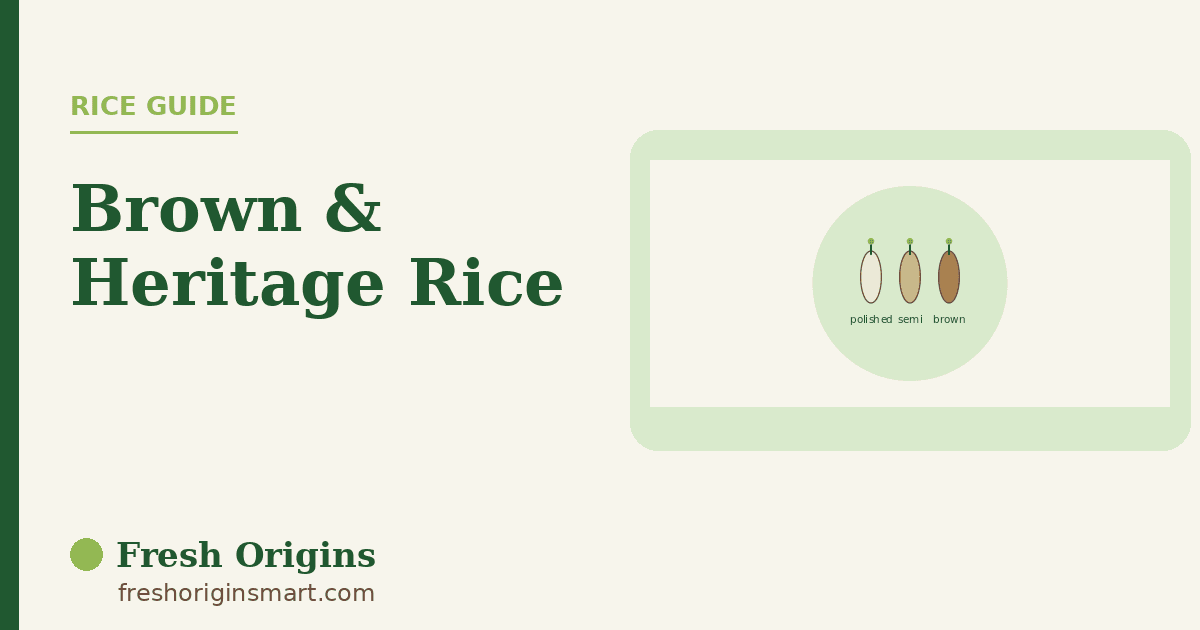
The good news is that the Indian plate is beautifully set up for fibre, often without anyone trying. Dals, chana, rajma, and other pulses are fibre-rich and appear at meal after meal. Whole grains — millets, and unpolished rices that keep their bran — carry more fibre than their refined versions. Vegetables cooked into sabzis, and a generous bowl of dal, quietly do a great deal of the work for you. So fibre-rich eating in an Indian kitchen is far less about adding unfamiliar “health foods” and far more about choosing the whole-grain version of what you already eat and making sure a pulse and a vegetable show up on the plate. You’re not learning a new cuisine; you’re leaning a little harder into the one you have.
A realistic full day, built for fibre
Here’s what a fibre-forward day can look like without any drama. Nothing here is unusual — it’s ordinary Indian food, tilted gently toward whole grains and pulses.
- Breakfast: a millet-and-pulse adai with chutney, or a bowl of kanji, in place of a refined-flour option.
- Lunch: a whole grain (millet, or red/brown rice that keeps its bran) + a generous dal or pulse curry + a vegetable sabzi.
- Snack: roasted chana, a piece of fruit, or a small handful of nuts and seeds.
- Dinner: a fibre-forward roti (millet and pulse based) with a sabzi, or a light millet khichdi.
Notice the pattern threaded through the day: a whole grain, a pulse, and a vegetable at the main meals, with fibre-friendly nibbles in between. That’s the entire strategy. Once you see the shape of it, you can improvise endlessly.
A 7-day fibre-forward framework
You don’t need a rigid menu — you need a repeatable rhythm. Here’s a loose week that keeps whole grains and pulses in gentle rotation. Treat it as a template, not a prescription, and swap freely for what’s in your kitchen.
- Monday: Adai breakfast · millet-and-dal lunch thali · roasted-chana snack · sabzi with roti dinner.
- Tuesday: Kanji or a whole-grain breakfast · brown/red rice with rajma · fruit snack · light millet khichdi.
- Wednesday: Idli-sambar breakfast · millet lunch with a vegetable dal · nuts-and-seeds snack · pulse-based roti with sabzi.
- Thursday: Vegetable-forward breakfast · whole grain with chana · fruit · khichdi dinner.
- Friday: Adai or dosa breakfast · millet thali · roasted chana · sabzi with roti.
- Saturday: A relaxed favourite — keep a pulse and a vegetable on the plate wherever it fits.
- Sunday: Cook whatever the household is craving; aim simply for one whole grain and one pulse across the day.
The point isn’t to follow this to the letter. It’s to internalise the rhythm — whole grain, pulse, vegetable, repeat — so that fibre-rich eating becomes your default rather than a project.
Snack ideas that carry their weight
Snacks are an easy, low-pressure place to add fibre, because they’re small and forgiving. A few reliable options:
- Roasted chana or a simple chana chaat.
- A piece of fresh fruit — the whole fruit rather than juice, so the fibre stays in.
- A small handful of nuts and seeds.
- A bowl of sprouts, lightly seasoned.
- A vegetable-forward nibble like carrot or cucumber sticks with a chutney.
None of these require special shopping. They’re the snacks many kitchens already keep — just chosen with a fibre-friendly eye.
Small swaps that add up over a week
You don’t need a dramatic change to shift the fibre balance of your cooking — a handful of gentle swaps, made where they’re painless, do a surprising amount over a week. Reach for an unpolished rice that keeps its bran in place of a fully polished one. Blend a little millet into the rice pot. Choose a pulse-enriched flour for some of your rotis. Serve fruit whole rather than as juice, so the fibre stays where it belongs. Add a spoon of sprouts to a bowl you’d have eaten plain. Each of these is minor on its own; strung across seven days of meals, they quietly lift the whole week without any single meal feeling like a compromise. That’s the nature of this kind of eating — it rewards small, repeated choices far more than grand gestures, and it never asks you to give up the foods you love.
Practical habits that make it stick
Three habits turn all of this from a nice idea into a lasting default.
- Swap refined for whole where it’s easy. Unpolished rice instead of polished, millet blends alongside white rice, pulse-based flours in your rotis. You don’t have to do it everywhere or all at once — just where it’s painless.
- Put a pulse on every main plate. A dal, some chana, a spoon of rajma. This one habit alone quietly lifts the fibre of nearly every meal.
- Increase fibre gradually and drink enough water. Ease into it over weeks, not days, and keep your water intake up as you do. A slow build is far more comfortable and far more sustainable than a sudden overhaul.
Troubleshooting: easing in without discomfort
A quick, honest note, because it comes up often. If you increase fibre very quickly — going from a low-fibre routine to a lot of pulses and whole grains overnight — some people feel bloated or gassy for a while as their body adjusts. This is common and generally settles, but it’s also entirely avoidable. The fix is simply pacing: add fibre gradually over a few weeks rather than all at once, drink enough water throughout the day, and let your routine settle at each step before adding more. If you keep the pace gentle, most people transition comfortably. If bloating or any digestive discomfort persists or worries you, it’s sensible to check with a qualified healthcare professional, since individual responses genuinely differ.
How Fresh Origins blends fit as shortcuts
Everything above is easy to do from scratch, and we hope you do. But on busy days, a blend that already bakes in the whole-grain-and-pulse pattern saves you a decision or two. Our Metabolic Balance Khichdi brings millets and moong dal together in a familiar one-pot meal. Our Heritage Gut & Fibre Kanji Mix offers a fibre-forward take on a traditional format. And our Roti Mix, built with pulses like Bengal gram and sprouted green gram, folds the pulse straight into the flatbread. None of these are magic and none replace a varied plate — they’re simply shortcuts to the same pattern this guide describes: whole grains and pulses, already portioned into a meal you recognise.
Keep it gentle, keep it varied
If there’s one thing to carry away, it’s that fibre-rich eating isn’t a restriction or a rulebook — it’s a gentle tilt toward whole grains, pulses, and vegetables on plates you already love. White rice and maida aren’t villains, and there’s no number to chase. Add a little more whole grain here, a pulse there, a vegetable alongside, increase it slowly, drink your water, and let the ordinary richness of Indian home cooking do the rest.
Frequently asked questions
How much fibre do I actually need?
Needs vary quite a bit from person to person, so rather than chase a specific number, focus on the pattern: whole grains, pulses, and vegetables at your meals, increased gradually. For guidance tailored to you, a qualified professional is the right person to ask.
Do I need to balance soluble and insoluble fibre?
No. Most whole plant foods contain a mix of both, and a varied diet built around whole grains, pulses, vegetables, and fruit naturally supplies both kinds. The distinction is helpful for understanding, not something you need to plan around.
Is white rice or maida “bad” for fibre?
Not at all. Refined grains simply carry less fibre than whole ones. This is about adding more whole grains and pulses for variety and balance, not about cutting out foods you enjoy.
Why do I feel bloated after adding more fibre?
Increasing fibre too quickly can cause temporary bloating or gas as your body adjusts. Easing in over a few weeks and drinking enough water usually prevents it. If discomfort persists or concerns you, check with a qualified healthcare professional.
Are Fresh Origins blends necessary for a fibre-rich diet?
No — they’re just a convenience. Whole grains, pulses, and vegetables from your everyday kitchen do the job. The blends are shortcuts to the same pattern for busier days.