Black rice is one of the most striking traditional grains in India. Raw, it looks almost black; cooked, it releases a deep purple colour that comes from natural pigments in its bran. There is genuine heritage here — India’s best-known black rice, the aromatic Chak-hao of Manipur, has long been reserved for festive puddings and special-occasion meals rather than everyday plates. Its dramatic colour, gentle fragrance, and chewy bite give it a premium character that is as much about occasion and beauty as it is about everyday nutrition. This post walks through where black rice comes from, why it behaves the way it does in the pot, and how to make the most of it at home.
The heritage of Chak-hao and pigmented rice
Rice in India comes in astonishing diversity, and pigmented rices — red, purple, and near-black — are a treasured corner of that heritage. The most celebrated black rice in the country is Manipur’s Chak-hao, whose name in the Meitei language roughly means “delicious rice.” It is a scented landrace, traditionally cooked into a rich, glossy kheer (Chak-hao kheer) for weddings, feasts, and community gatherings. Its combination of natural fragrance, deep colour, and sticky-chewy texture made it a rice for celebration, and it remains closely tied to Manipuri culinary identity.
Black and purple rices are grown in other pockets of the northeast and elsewhere in Asia as well, each a distinct landrace with its own aroma and grain shape. What unites them is the intense pigment in the bran, which gives raw grains their near-black look and turns cooking water a striking purple. When we talk about black rice as a traditional grain and describe its region of origin, this is the lineage we mean — a grain that farming communities selected and saved over generations for its beauty and its place at the table on special days.
What black rice is
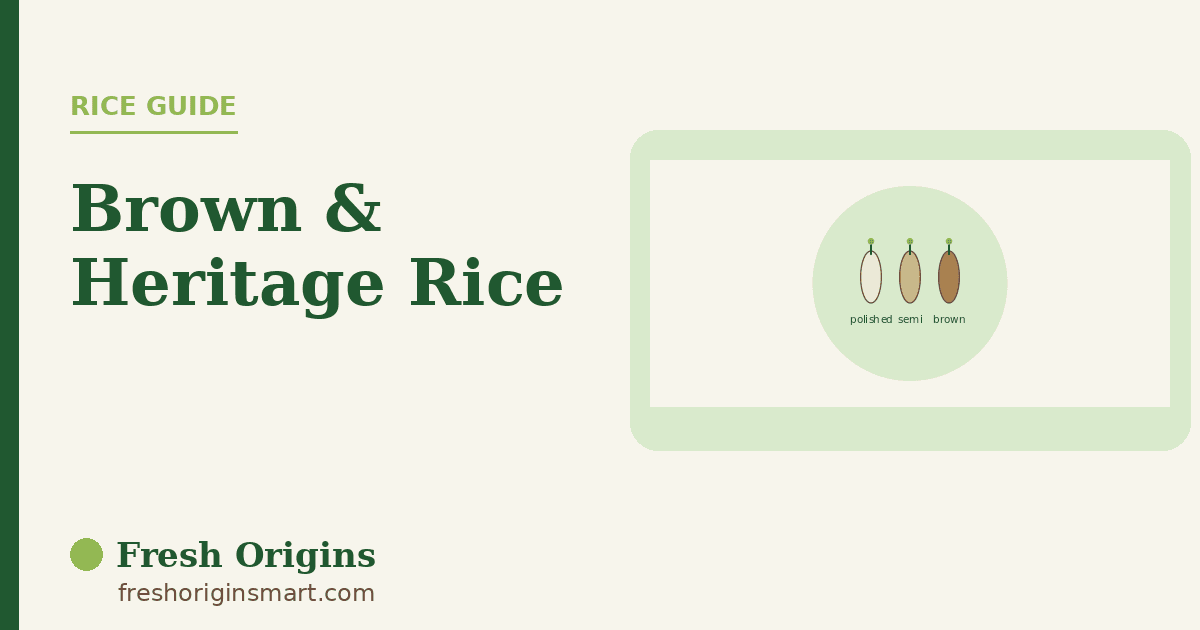
Black rice is an unpolished pigmented rice, which simply means its dark bran layer is left intact rather than rubbed away. Under the inedible husk, every grain of rice carries a bran layer wrapped around the starchy centre. Milling removes the husk; polishing is the further step that strips the bran to make white rice. Black rice skips that stripping, so the bran — and the dietary fibre it carries — stays on the grain. That is why black rice contributes fibre to the plate as part of a whole-grain diet.
The dark colour comes entirely from natural plant pigments concentrated in that bran. It is a normal, harmless characteristic of the grain — the same kind of natural colouring you see in many deeply coloured fruits and vegetables. It is worth being plain about this: the pigment is what makes black rice beautiful and distinctive, and that is reason enough to enjoy it. We are describing a colour and a heritage, not attaching any health promise to the pigment itself.
Colour, aroma, and texture
Raw black rice is glossy and dark, ranging from deep charcoal to near-black, often with a slight sheen. As it cooks, the pigment loosens into the water and the grains deepen to a rich purple-black, staining the liquid a vivid indigo-purple. This colour change is expected and is simply the natural pigment doing what it does — nothing has gone wrong.
The flavour is nutty and mildly sweet, a little deeper and more distinctive than plain rice, with some varieties carrying a gentle fragrance. Texture is firm and pleasingly chewy; many black rices are somewhat sticky when cooked, which is part of what makes them so good in puddings and in dishes where you want the grains to cling together a little. On the plate or in a glass bowl, the deep purple against a scatter of white coconut or pale fruit is genuinely eye-catching, which is why black rice is so often chosen for dishes meant to impress.
How to cook black rice
Black rice is firm and benefits from patience. The intact, pigment-rich bran slows how quickly water gets in, so soaking and a generous pot of water are your friends.
A dependable method:
- Rinse the grains once or twice. The water will look tinted — that is normal.
- Soak for at least an hour, and up to overnight for the firmest, most deeply coloured landraces. Soaking softens the bran and shortens the cook.
- Cook with plenty of water — roughly 1 part rice to 2.5–3 parts water. Bring to a boil, then simmer gently, partly covered.
- Expect a longer cook than white rice, often 30–45 minutes depending on the variety and soak. The grains are ready when they are tender but still chewy at the centre, and the colour has deepened throughout.
- Don’t be alarmed by the purple water. The cooking liquid turns a deep purple as the natural pigment releases. If you like, you can cook black rice in just enough water so that little is left to drain, keeping more of the colour with the grains.
Because black rice is often used in sweets, you may cook it a little softer than you would for a savoury bowl, then simmer it with milk or coconut milk and jaggery until glossy. In a pressure cooker, soak well first, use a touch less water, and let the pressure release naturally.
Storing and buying well
Like other unpolished rices, black rice keeps its bran and therefore a little more of the grain’s natural oil, so it is best treated as a fresher product. Store it in a clean, airtight container away from heat, light, and moisture. In hot or humid conditions, or if you use it slowly, the refrigerator or freezer keeps it in good condition for longer. Well-kept black rice should smell clean and faintly nutty; a stale or sharply oily smell means it has been stored too long or too warm.
When buying, keep a few things in mind:
- Deep, even colour across the grains suggests the bran is intact. Because black rice is a premium, sometimes hard-to-source grain, it is worth buying from a supplier who names the variety and its region of origin.
- The purple-water test is reassuring, not alarming. Genuine pigmented black rice will tint water. That is the natural pigment, and it is exactly what you want to see.
- Look for clean, reasonably uniform grains without excessive breakage or debris. A little natural variation is normal in a traditional landrace.
Culinary uses, from puddings to bowls
Black rice earns its keep in dishes where colour and texture matter. Its most storied use is sweet: the Manipuri Chak-hao kheer, in which soaked black rice is simmered slowly with milk, sweetened with sugar or jaggery, and finished with cardamom and nuts, turning a glossy deep purple. It is a dish for celebrations, and it is genuinely beautiful in the bowl.
Beyond puddings, black rice makes a stunning savoury base. A few ideas:
- Black rice grain bowl. Spoon cooked black rice into a bowl and top with a stir-fried vegetable, a scoop of dal or beans, and something fresh and pale — sliced onion, coriander, a wedge of lemon, or a scatter of coconut — so the purple really shows.
- Chak-hao–style kheer. For a special meal, simmer soaked black rice with milk or coconut milk and jaggery until thick and glossy, then finish with cardamom and slivered nuts.
- Mixed grain plate. Combine a little cooked black rice with red or brown rice for a naturally colourful, fibre-rich base that looks as good as it eats.
- Cooling black rice pudding with coconut and fruit. Cook the rice soft, sweeten lightly, chill, and serve with coconut milk and sliced ripe fruit for a simple, striking dessert.
A little black rice goes a long way visually, so it is often used as an accent — a partial swap or a topping — rather than a whole bowl on its own.
Who might find it useful
Black rice suits anyone drawn to a distinctive, chewy grain with a sense of occasion, and it is an easy way to bring a fibre-rich whole grain into the rotation for special meals. Because it keeps its bran, it contributes dietary fibre as part of a whole-grain diet, which some people like to keep in mind when planning varied, fibre-rich meals. As always, how any individual responds to any food varies, and this is a description of a traditional grain rather than a recommendation for any particular outcome — a qualified professional is the right person to advise on individual needs.
How it fits Fresh Origins blends
Black rice is part of our Heritage Gut-Fibre Kanji Mix (15%), where it adds premium heritage positioning, deep colour, and fibre alongside red rice, kodo and little millets, and green gram. A little goes a long way: its pigment and character lift the look and depth of the whole blend, turning a simple everyday kanji into something with genuine heritage colour. It is a thoughtfully sourced, traditional grain doing what it has always done — bringing beauty and everyday nutrition to a familiar preparation.
Frequently asked questions
Why does the cooking water turn purple? Because the colour of black rice comes from natural plant pigments held in the bran. As the rice cooks, some of that pigment loosens into the water and turns it a deep purple. It is completely normal and simply a feature of pigmented rice.
Is black rice the same as forbidden rice? “Forbidden rice” is a common marketing name for black rice, tied to old stories about it being reserved for special occasions or royalty. It refers to the same kind of pigmented, unpolished grain. India’s own celebrated example is Manipur’s Chak-hao.
Do I have to soak black rice? Soaking is strongly recommended. The firm, pigment-rich bran slows water absorption, so soaking for an hour or more — even overnight — softens the grain and shortens the cooking time. You can cook it unsoaked, but expect a longer cook and a firmer result.
Is black rice healthier than white rice? It is more accurate to say it is different. Black rice keeps its bran and so contributes more dietary fibre than polished white rice as part of a whole-grain diet, and it brings a distinctive colour and texture. White rice remains a fine staple. This is about variety and character, not about one grain being virtuous and another not.
How should I store black rice? Keep it airtight, cool, dry, and out of the light. Because it retains its bran and more natural oil than polished rice, refrigerating or freezing it in hot, humid conditions helps keep it fresh and smelling clean.