
Wheat-FreeNo Added Sugar
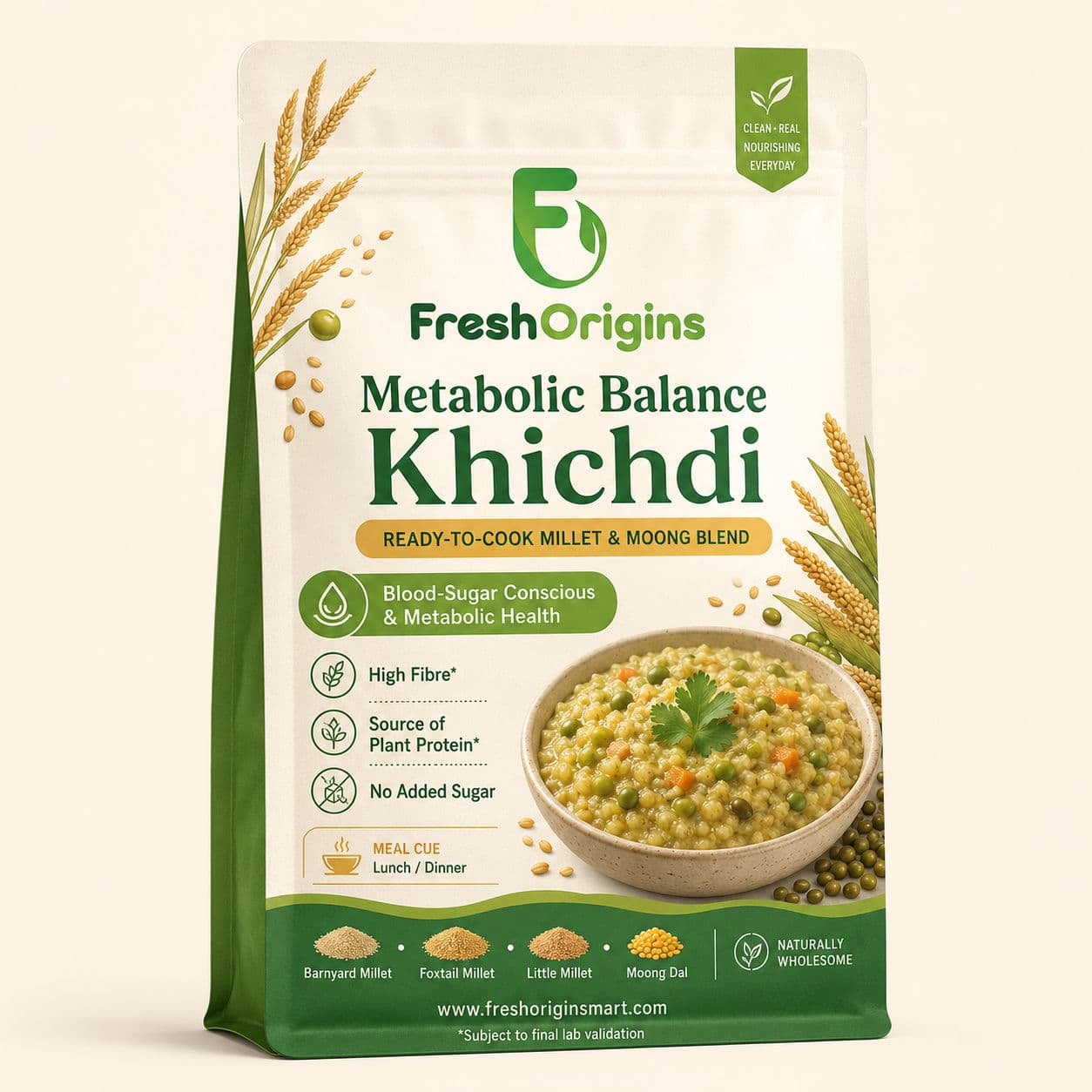
Metabolic Balance Khichdi
Millet and moong blend for an easy, fibre-forward meal. · 250 g
Best for: Families who want an easy, fibre-forward weeknight dinner, cooked just like regular khichdi.
₹135₹145
Buying guide · Blood-sugar-conscious
If you're building meals that digest slowly and avoid sharp glucose spikes, millets are among the most useful everyday swaps in Indian cooking — but they're not all equal, and how you cook them matters as much as which one you pick. Here's a practical, hype-free ranking.
Whole millets digest more slowly than polished grains thanks to intact structure and fibre — useful in a blood-sugar-conscious eating pattern. Foxtail, barnyard, and little millet are the usual first picks; jowar and bajra work well in roti form. Two rules matter more than the ranking: eat millets whole (not as fine flour products alone), and pair them with dal and vegetables. Millets are food, not treatment — anyone managing diabetes should plan diet changes with their doctor or dietitian.
The list
The best-studied everyday millet for slow digestion — good fibre (~8 g/100 g), high protein for a cereal (~12 g), and a texture that substitutes directly for rice in pongal, upma, and khichdi.
Use it: Cook 1:2.5 with water as a rice substitute, or use a ready khichdi blend where it's already paired with moong dal.
The lightest and fastest-cooking of the majors, with notably high fibre for its softness. Its gentle texture makes the whole-grain habit easy to keep — consistency being what actually moves the needle.
Use it: Khichdi and 'rice' formats; cooks in ~15 minutes, so it suits weeknights.
Small grain, big fibre. Behaves like a softer rice and blends invisibly into familiar dishes — a stealth upgrade for households that resist visible change.
Use it: Swap into any rice dish 50:50 to start; move to full swaps as taste adjusts.
The roti answer. Mild-tasting whole-grain flatbreads with ~10 g fibre per 100 g of grain — a direct upgrade over refined-flour rotis for the bread-first half of the plate.
Use it: Jowar bhakri/roti, or a multi-grain roti blend for easier rolling.
High fibre (~11 g) and the best iron of the group; energy-dense, so portions deserve slightly more attention. A strong winter-rotation pick.
Use it: Winter rotis and khichdi; blend with jowar for a milder everyday flour.
Whole beats flour. A whole millet grain, cooked and eaten with its structure intact, digests more slowly than the same millet ground fine and baked into a snack. 'Millet' cookies and instant mixes made from fine flours lose much of the advantage — so favour whole-grain formats: khichdi, pongal, 'rice', porridge.
Pairing beats everything. The glucose behaviour of a meal is set by the whole plate — grain plus dal plus vegetables plus fat digests very differently from grain alone. Traditional grain-pulse dishes are the template: they add protein and fibre and slow everything down. This is exactly why our blends are built as grain-plus-pulse rather than millet alone.
Millets are not a licence for unlimited servings — they're carbohydrate foods, just slower ones. The usual starting point is the same portion you'd take of rice, watched for how it sits with you personally; responses vary between people more than marketing admits.
And to be direct: no grain manages diabetes. Food pattern, activity, sleep, medication, and monitoring do — together, under professional guidance. What millets offer is a genuinely better default grain within that pattern. If you live with diabetes or prediabetes, bring these swaps to your doctor or dietitian and personalise from there.
Put it into practice
Metabolic Balance Khichdi pairs whole millets with moong dal — the whole-grain, grain-plus-pulse pattern this guide recommends, in one pack. Delivered across Bangalore and Hosur.
Millet and moong blend for an easy, fibre-forward meal. · 250 g
Best for: Families who want an easy, fibre-forward weeknight dinner, cooked just like regular khichdi.
₹135₹145
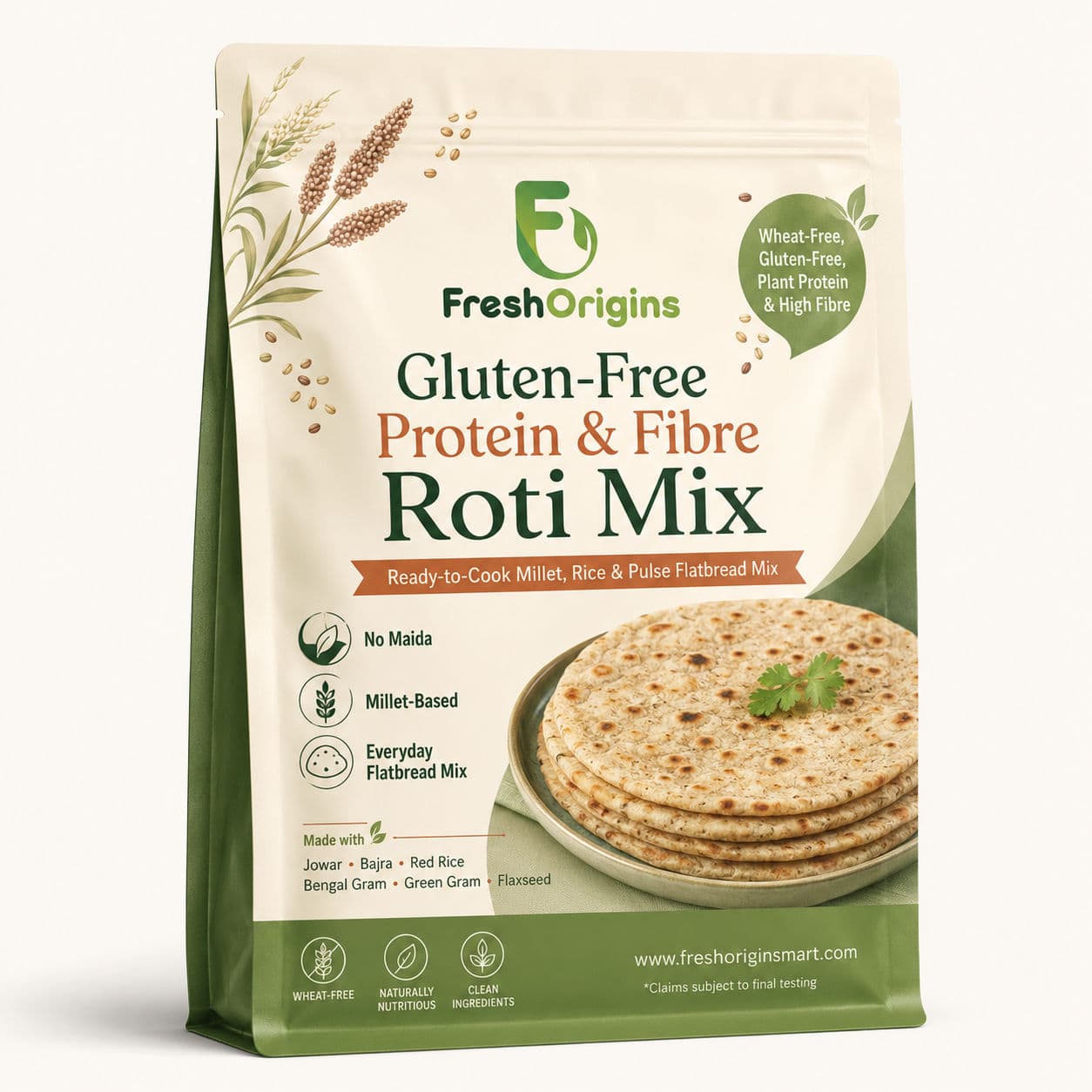
Wheat-free millet, rice, and pulse flour blend for everyday flatbreads. · 500 g
Best for: People choosing wheat-free or gluten-free* flatbreads without giving up everyday rotis.
₹285
Questions
There's no single winner, and any page that names one is overselling. Foxtail, barnyard, and little millet are strong everyday picks in whole-grain form; consistency, portions, and pairing with dal matter more than the specific millet. Diet changes for diabetes belong in a plan made with your doctor.
Partially. Fine flours digest faster than whole grains, and packaged millet snacks may add refined flours, sugar, or a lot of fat. Whole-grain formats — or blends where whole millets and pulses are visible — keep the advantage.
Start with your usual rice portion (commonly ½–1 cup cooked) and adjust to your own response and your dietitian's advice. More fibre also means drinking more water.
Yes — lighter millets like barnyard in soft khichdi form are a common, comfortable dinner choice. Heavier preparations may suit lunch better; this is personal preference, not a rule.